

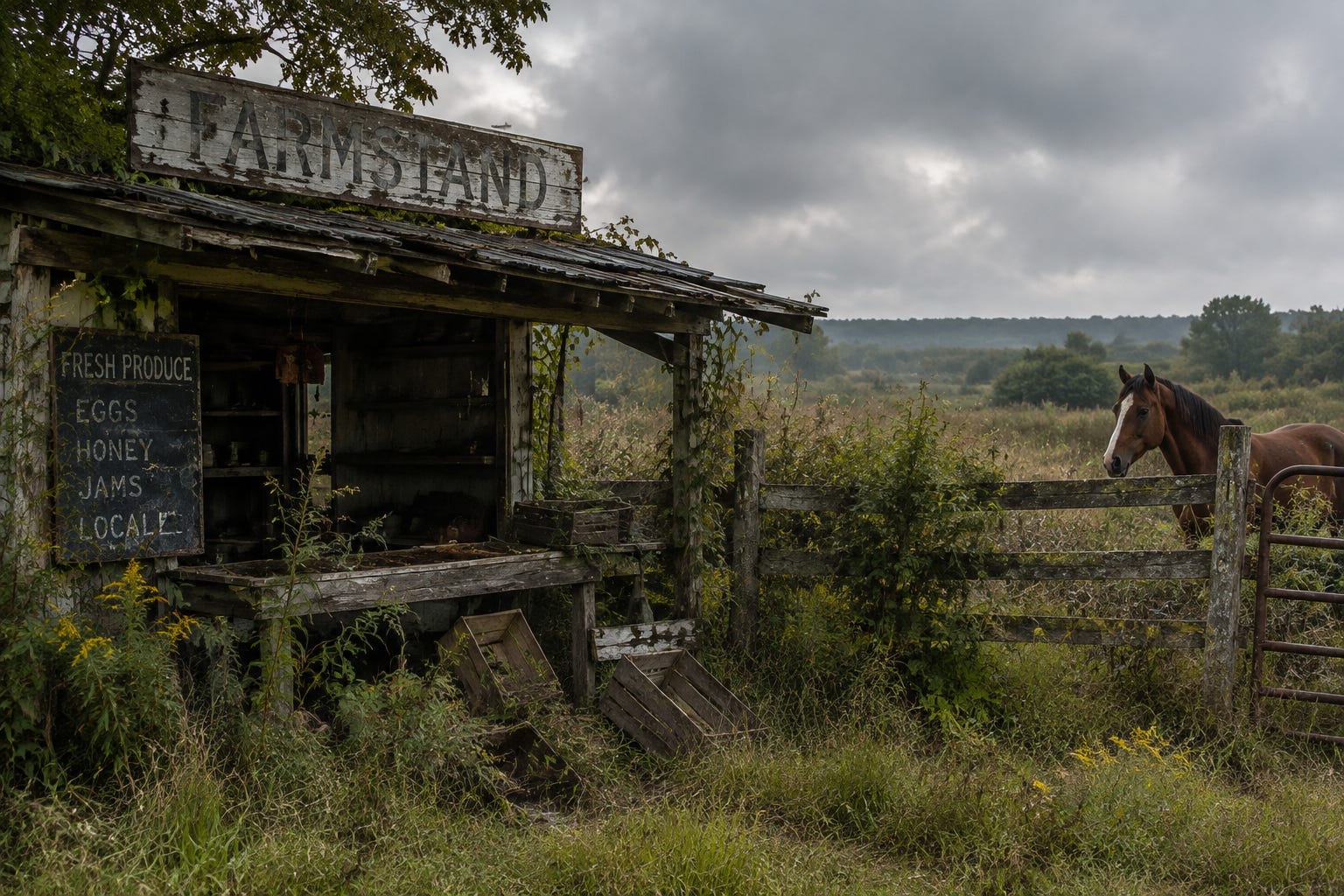
Our road to town takes us through some bucolic scenery. It always used to be ranchland for the large part of it, followed by a patchwork of crops as we got closer to the river. In recent years, some of the ranches had been replaced by ugly windmills. Those were not what attracted out attention, though. It became clear that some of the best farmland in the region had not been cultivated this year. We speculated and said things like: “Don’t tell me they’re converting Brumbleberry Farms into a ‘solar farm’...” When we met farmer Jake, Brumbleberry’s neighbour, in town, no further speculation was needed. He know what had happened to Brock at Brumbleberry.
“Brock’s in jail this year,” Jake said.
“What for?”
“He experimented with four different types of squash on his east field.”
Bob frowned. He could not understand how that could land Jake in custody. Jake went on to explain:
“He was sentenced for practising science without a license.”
“Oh Gee!” Bob said in shock. “Will we soon be in jail for feeding our horses?”
I hope the latter doesn’t turn true. It may also sound very improbable that anyone would be sent to jail for conducting an experiment. In North America, that cannot happen today. Let’s hope it never will. However, South Africa has just proposed a law that could result in exactly this outcome. Since it is a global first that even gathers acclaim in some circles, we need to be aware of what that text postulates.
In essence, the recently proposed South African Natural Scientific Professions Bill intends to turn all fields of science into government licensed professions. If passed, the bill mandates that all persons who “practise” a “natural scientific profession” register with the South African Council of Natural Scientific Professions. That council will subdivide science into “categories.” Persons who intend to “practise” one of those, need to apply for registration – for each of the categories individually. Application is not free, but comes with a fee to be determined by the ministry. It is up to the applicant to provide evidence of credentials relevant to the field. Persons previously convicted of a long list of serious crimes can be denied application, no matter how long ago, or which steps towards rehabilitation they have undertaken in the mean time.
The definition of the word “practise” excludes teaching at accredited institutions and providing advice to the government. All other work, including advisory work to parties not affiliated with the government, is considered “practice.” In the bill’s terms:
“practise” means rendering of a service or provision of advice in the natural scientific
profession in any of the categories of registration or fields of practice, whether for a
fee, compensation or for free
Natural Scientific Professions Bill (Legislative Proposal), South Africa, 2026.
It is fair to say that anyone who performs some sort of experimentation automatically resorts under the definition of a practising scientist. That may equally apply to a farmer who evaluates different variants of a crop, as in our example, but it could even apply to a hairdresser who trials new products. The exceedingly broad definition covers any sort of practical experimentation. Whosoever is not merely a consumer of products, but tries things out and wants to improve upon the status quo, needs to register as a scientist.
Experimentation itself is not a prerequisite to be considered “practice,” though. Providing advice for free on any of the categorized scientific topics is equally considered “practice.” So, not only all experimental scientists are covered, but also all commentators. Let’s list a few examples of “practising scientists,” at least in South African terms. People who comment on the effectiveness of masks to stop the spread of respiratory diseases, are providing scientific advice for free. They would need to register. Likewise, all blog publishers who publish their own reflections on the presence, or absence, of a “climate emergency,” would need to register. If Wild Horse Wisdom were based in South Africa, we would need to apply for registration many times, since we cover a wide range of topics.
Failure to register with the council comes with steep penalties. In fact, the acts of practising science or posing as a registered scientist without being registered may be punished by a combination of a fine and … up to one year in prison. Moreover, registration is also not just a one-time act. Once registered, scientists are required to adhere to a “code of conduct” set forth by the Council. They are also required to participate in “continuing professional development” and can be subjected to investigations into “unprofessional or improper conduct.”
One might think that it is reasonable that scientists need to take continued education, so they stay up to date with the latest developments in their field. However, reality is that scientists who take themselves seriously, already do so. Being aware of the latest state of the art is inherent to performing scientific work. Most likely, the information scientists already digest is more directly relevant to their work than whatever stew a regulatory board would cook up.
It may also seem reasonable that a practitioner could be investigated for “improper conduct.” We wouldn’t want any scientists to take bribes from foreign governments, would we? We surely would not, but acts like bribery, embezzlement and espionage are already criminalized. We don’t need regulatory bodies to filter those out. So what exactly would “improper conduct” entail? To sample where this could go, it suffices have a look at the erstwhile democracy of Canada, which is sliding down the slope into tyranny at lightning speed.
Corbin Chivers, a realtor in Langley, British Columbia, recently received a disciplinary letter from the BC Financial Services Authority (BCFSA), notifying him that his behaviour has been “undermining public confidence in the real estate profession.” What the BCFSA was referring to, is Chivers’ criticism of indigenous land claims – a very sensitive topic in BC – as well as him opposing the temporary closing of a Provincial Park to non-indigenous visitors. Apparently, expressing any non-sanctioned opinion about indigenous relations makes one incompetent to do real estate transactions. At least in BC, it does. As it stands, the Canadian Constitution Foundation are organizing a petition to change the BCFSA’s attitudes towards their members’ right to express opinions.

In BC, the real estate profession is not the only one affected. Nurse Amy Hamm was found guilty of “professional misconduct” by the BC College of Nurses and Midwives. She was requested to pay the college C$163000 of legal expenses related to the proceedings. What did she do to earn that penalty? Did she inject intravenous antibiotics into a patient who was allergic to it and died? Not at all. Here primary crime was to have co-sponsored a billboard that read “I love JK Rowling.” Additional evidence in the case were a few statements she made on a podcast in support of the existence of two genders and critical of so-called “gender transitions” for minors.
Each of these examples illustrate where things can go if the general group of professions of the practice of science become subjected to regulatory authority. The scientific regulatory Council will adhere to some predetermined – and in many cases, nonsense – narrative, which it will be impossible to deviate from. If the Council decides that staying ten feet apart is necessary to stop the flu, nobody can say otherwise. Scientists who do so will lose their license and commentators who observe the actual case reports, will be convicted for practicing epidemiology without a license. The same fate is ascertained for anyone who states that there is no need to dim the sun by spraying chemicals into the atmosphere. It is also the sure end for any doctor who dares say obvious truths, such as the truth that no child needs its genitals lobotomized off to “become happy.”
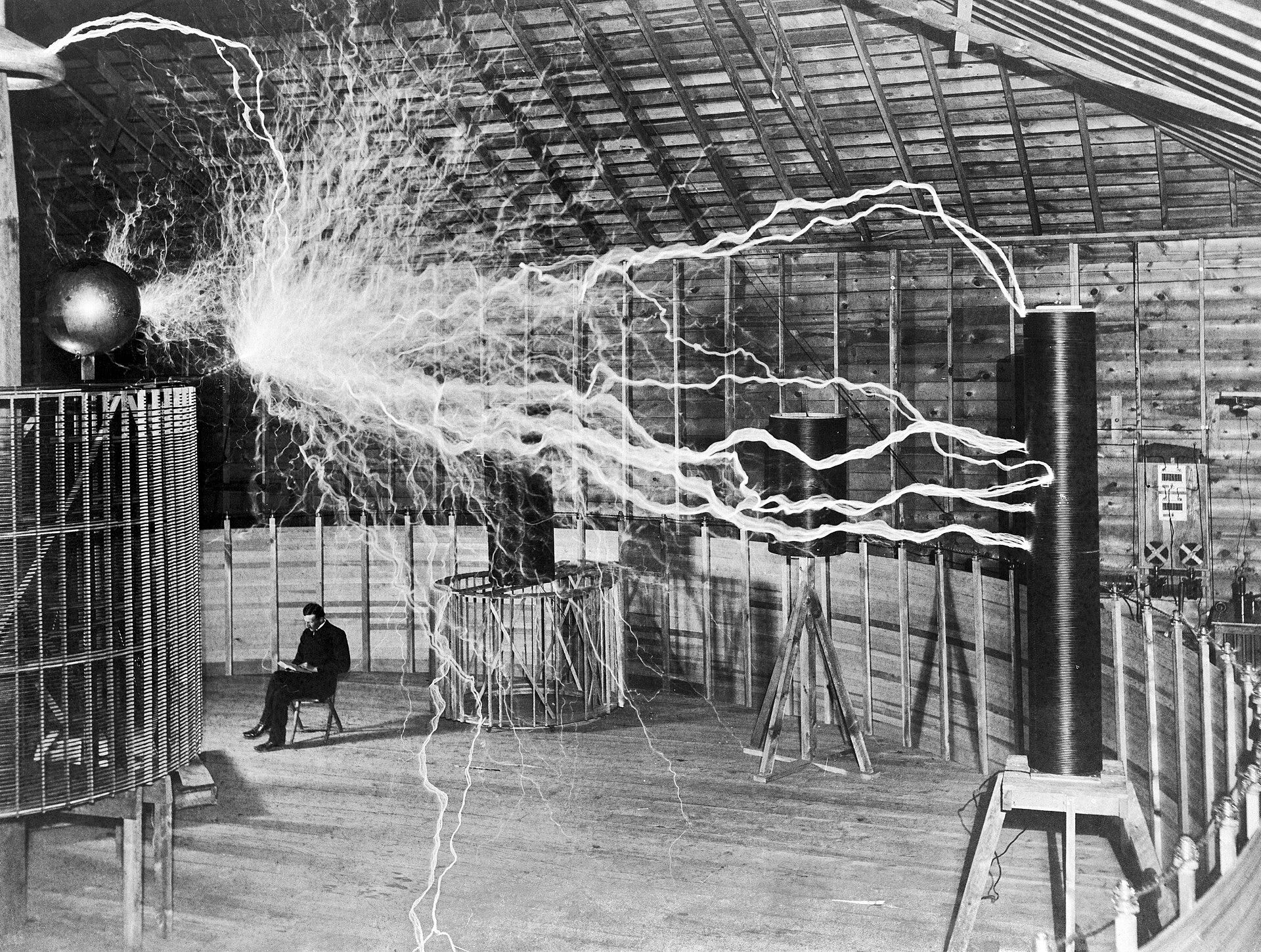
The general profession of science consists of curiosity and exploring what is possible beyond the established consensus. Actually, we would argue that innate curiosity, combined with a desire to improve and develop for the betterment of humanity, are the two true prerequisites for science. A formal degree is not. In fact, many salient developments, the convenience of which we still enjoy on a daily basis, were made by autodidactic “amateurs.” For instance, we owe all of the amplitude current power grid to Nikola Tesla – among many other inventions. Tesla never formally graduated from anything. If we had adopted South Africa’s mandatory registration for practicing science in the early 1900s, there would be no light switches to be flipped anywhere. Likely, petroleum and gas lamps would still be the main source of artificial lighting.
Besides research by amateur inventors, South Africa’s proposal to make scientists register by category will also be an impediment to any interdisciplinary research. One may wonder as well if South Africa wants to foster its own culture of tech entrepreneurs. Many tech companies were purportedly started by solo developers who dropped out of formal education.
Installing a regulatory council that makes scientists adhere to a preset consensus, risks to effectively end science. That should be clear to anyone involved. One would therefore expect the scientific community to revolt en masse. Or would we? A recent editorial in Nature on this topic needs little more explanation beyond the title: “South Africa’s ‘registration law’ for scientists could be a template for the world — if the nation gets it right.”
The Nature editorial reflects about the punitive measures in South Africa’s legislative proposal. Maybe a prison sentence for practising science without license is too much, even for the Nature audience. However, the editorial does not take the least effort to do as much as analyze the necessity of creating licensing boards for scientists. The entire argument is waved away in the one-liner:
“It’s difficult to argue against the principle of aligning scientists with other professions that involve potential risks to people or to the environment.”
Nature, 656 (2026), 794
Is it really? We never noticed that writing a scientific paper that statistically analyzes trends in climate poses risks to people or the environment. But then, maybe it poses risks to those who want to enforce false narratives, such as the ones promoted in Nature itself. For instance, the narrative that SARS-CoV-2 can only have natural, zoonotic origins, which was initially put forward in that journal. We now know that that paper’s authors had conflicts of interest and did not believe the conclusions in it themselves right up until publication, which can be seen as evidence of real professional misconduct. In spite having set a new, low standard of scientific quality by publishing this paper, Nature perseveres to this day. Irrespective of retraction requests from hundreds of scientists, the paper is published without retraction notice to this date. None of the authors have faced any disciplinary proceedings for knowingly publishing false results either. Apparently, this is how the “best of the best” behave.
While all of these observations on Nature’s behaviour ring true, its motivation to publish the editorial in favour of science licensing boards could not be stated more clearly than in the last sentence:
“If South Africa gets it right, the law could offer a template for the global community on how to strengthen research integrity, protect the public and distinguish sound scientific advice from misinformation.”
Nature, 656 (2026), 794
Of course, “misinformation” … The basic problem in the use of this term resides in the inherent assumption that everything in the universe is known, which can then be “distinguished” by regulatory organs from “misinformation.” In reality, though, far from everything is known. New scientific discoveries, which have the potential to further humanity significantly, were by definition not known beforehand. The more radical the discovery, the stronger it deviates from the consensus at the time. The most significant discoveries are therefore most likely to be labeled “misinformation.” If we had adopted Nature’s blatant anti-scientific stance in the late 1800s, we would still not have electricity.
Regulatory bodies can have a raison d’être, but in the present politicized, wokified context, they already have too much power. We need carefully worded legislation that strictly restricts regulatory bodies’ authority to core professional activity and explicitly excludes political or religious opinions of its members from any kind of review. We also do not need to start subjecting more disciplines to their authority, but actively winnow them down to a shortlist of essential ones. If we fail to do so, Canada shows us what regulatory boards end up delivering: an unelected enforcement arm for the anti-religion of wokery. Realizing what it at stake, we need to take action to stop this from happening. Let’s take legislative action and let’s actively constrain the authority of regulatory bodies the the most narrow, technical scope possible.
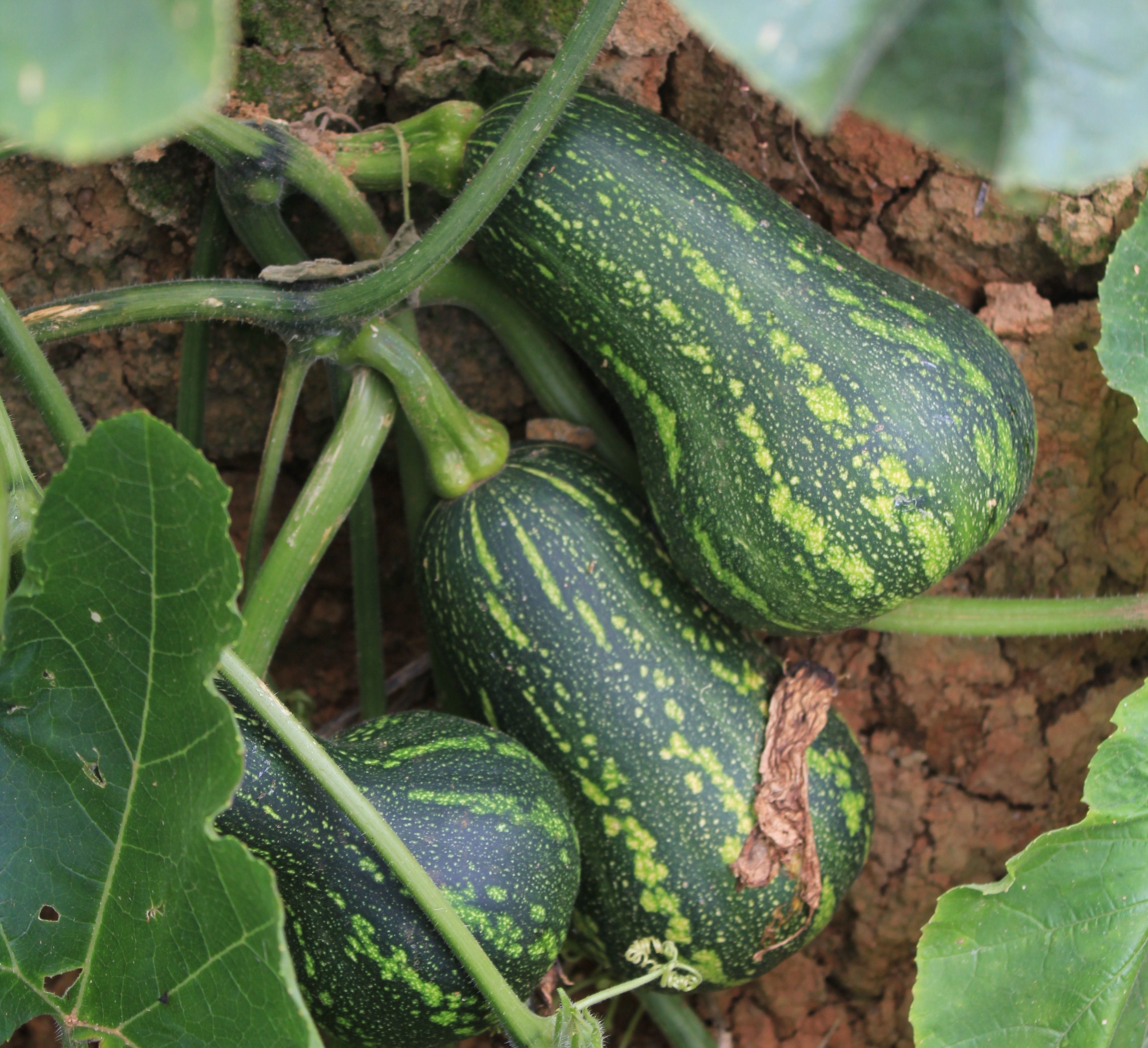
A few months later, we saw the land at Brumbleberry being cultivated again. We learnt that not all was rosy again, though. “I guess I’ll just plant squash seeds I buy from Dayer-Santo from now on,” Brock said in resignation. “They got scientists that do the same thing as I did before, but they are licensed. We will just have to pay more for the same seeds, I presume.”
Finally some good news from British Columbia: for now, the BC Financial Services Authority has withdrawn its complaint against realtor Corbin Chivers for expressing opinions they don't like. The fight is far from over, through. As we stated here, we need to rein in professional regulatory boards to the most narrow, technical scope, directly related to the intricacies of the profession. They may not be allowed to govern their members' opinions.
This is surreal... "Trust The Science" codified. I pray it fails to pass. But the fact that Nature endorses it tells you everything you need to know about where they want to go.